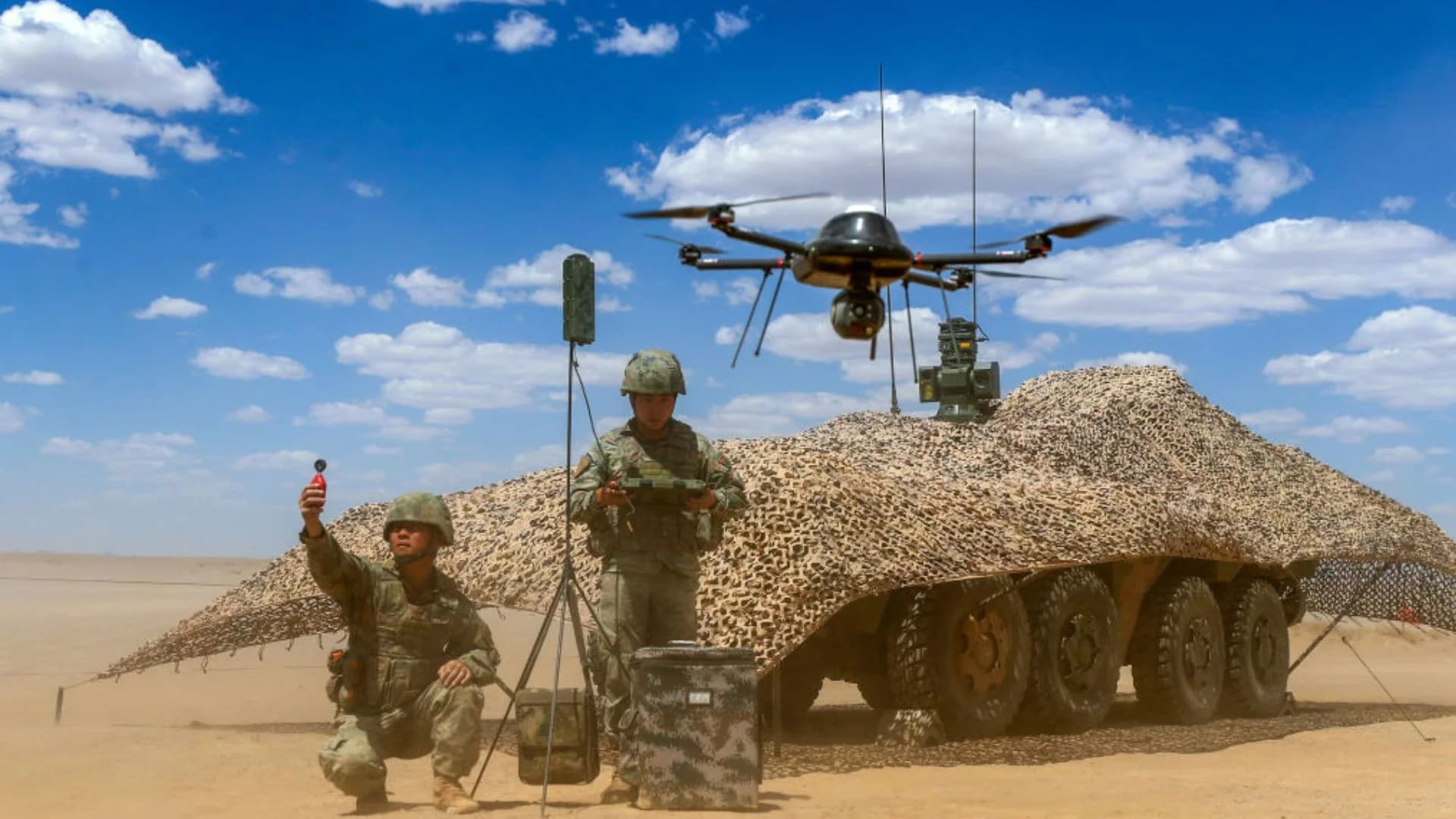
China's People's Liberation Army (PLA) and the National University of Defense Technology have jointly developed what they describe as a "digital chief of staff" — a military AI system built to handle battlefield decision-making. The AI can simultaneously process 90 intelligence reports in real time, coordinate field unit deployment, and make strategic decisions up to 43% faster than human commanders.
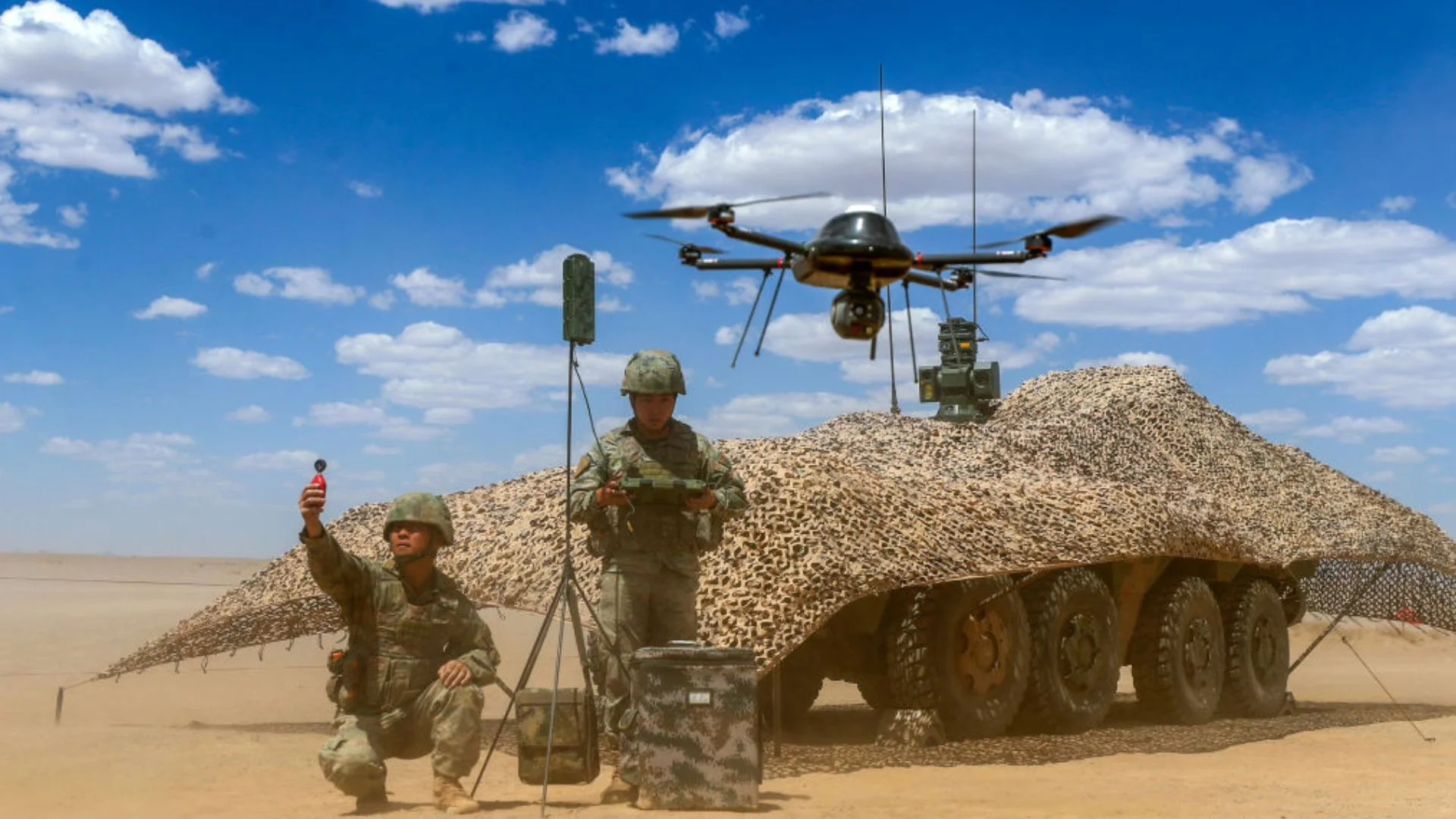
The system is based on a large language model (LLM), but has been specifically engineered to minimize hallucinations — a common problem in standard AI systems. Rather than producing generic outputs, it is designed to generate precise, tactically sound recommendations under real battlefield conditions. The system also significantly accelerates the OODA loop (Observe, Orient, Decide, Act), a key military decision-making framework.
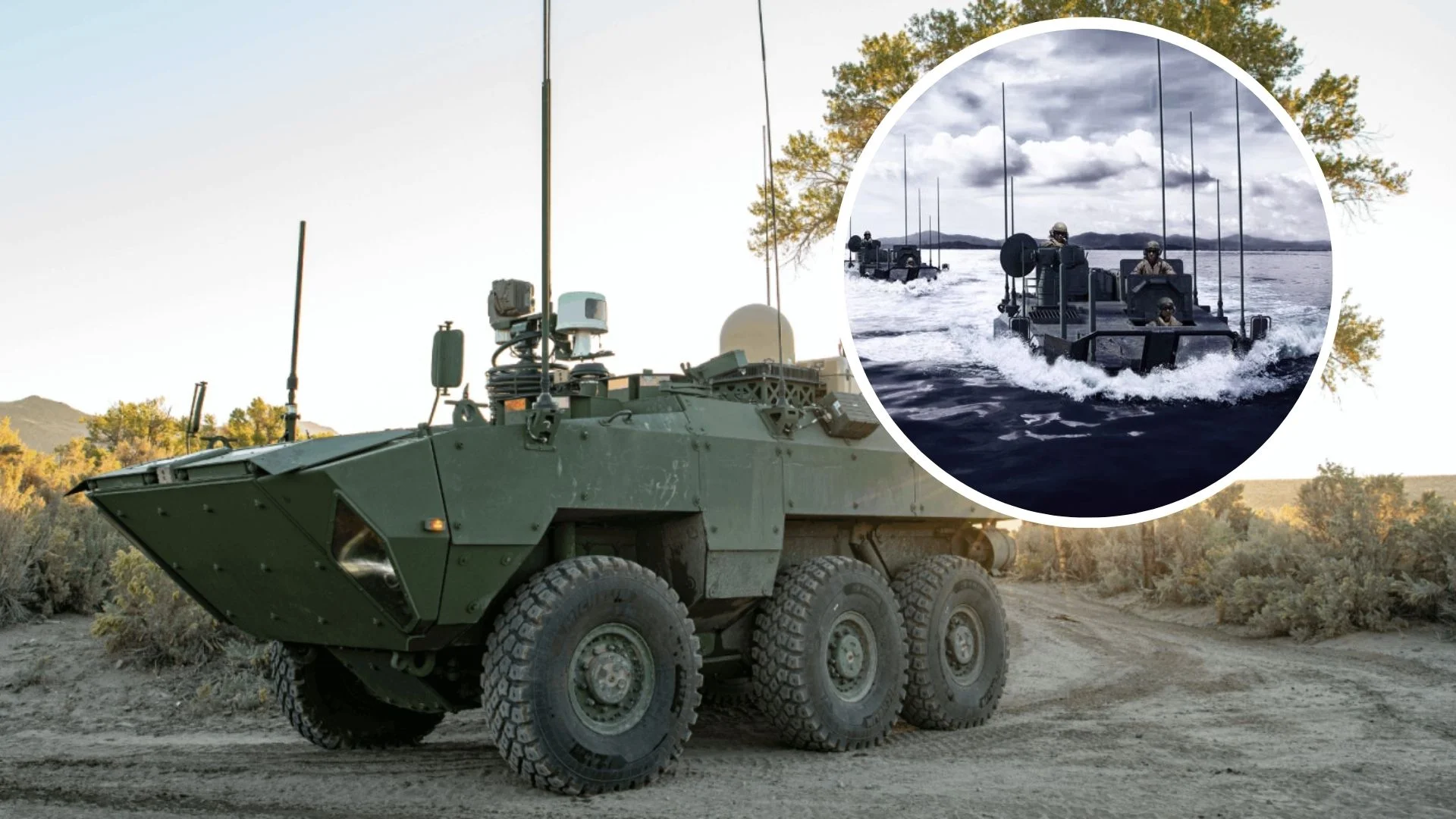
In testing, the AI demonstrated the ability to rapidly anticipate enemy movements and recommend optimal countermeasures, outperforming human commanders in both speed and decision accuracy. However, the system still requires human authorization before any action is executed, meaning it is not fully autonomous. Critics have raised concerns that deploying military AI in live conflict scenarios could escalate risks and lead to unintended consequences — with some analysts describing it as a key example of China's broader military AI ambitions.